mostly on the uses of the blues
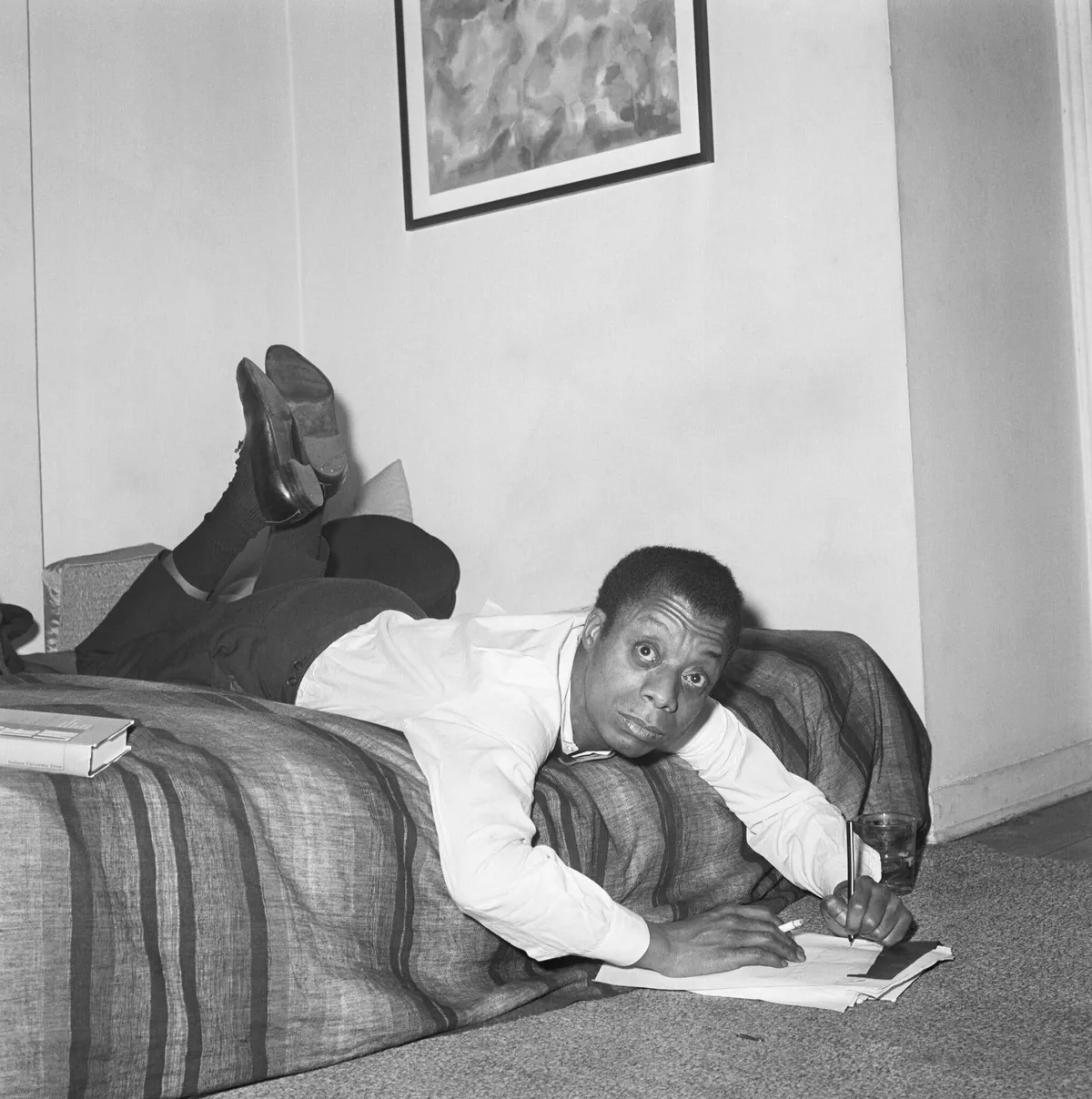
The Uses of the Blues
by James Baldwin
(excerpt)
THE TITLE “The Uses of the Blues” does not refer to music; I don’t know anything about music. It does refer to the experience of life, or the state of being, out of which the blues come. Now, I am claiming a great deal for the blues; I’m using them as a metaphor—I might have titled this, for example, “The Uses of Anguish” or “The Uses of Pain.” But I want to talk about the blues not only because they speak of this particular experience of life and this state of being, but because they contain the toughness that manages to make this experience articulate. I am engaged, then, in a discussion of craft or, to use a very dangerous word, art. And I want to suggest that the acceptance of this anguish one finds in the blues, and the expression of it, creates also, however odd this may sound, a kind of joy. Now joy is a true state, it is a reality; it has nothing to do with what most people have in mind when they talk of happiness, which is not a real state and does not really exist.
[...]
How can I put it? Let us talk about a person who is no longer very young, who somehow managed to get to, let us say, the age of forty, and a great many of us do, without ever having been touched, broken, disturbed, frightened—forty-year-old virgin, male or female. There is a sense of the grotesque about a person who has spent his or her life in a kind of cotton batting. There is something monstrous about never having been hurt, never having been made to bleed, never having lost anything, never having gained anything because life is beautiful, and in order to keep it beautiful you’re going to stay just the way you are and you’re not going to test your theory against all the possibilities outside. America is something like that. The failure on our part to accept the reality of pain, of anguish, of ambiguity, of death has turned us into a very peculiar and sometimes monstrous people. It means, for one thing, and it’s very serious, that people who have had no experience have no compassion. People who have had no experience suppose that if a man is a thief, he is a thief; but, in fact, that isn’t the most important thing about him. The most important thing about him is that he is a man and, furthermore, that if he’s a thief or a murderer or whatever he is, you could also be and you would know this, anyone would know this who had really dared to live. Miles Davis once gave poor Billie Holiday one hundred dollars and somebody said, “Man, don’t you know she’s going to go out and spend it on dope?” and Miles said, “Baby, have you ever been sick?"
Now, you don’t know that by reading, by looking. You don’t know what the river is like or what the ocean is like by standing on the shore. You can’t know anything about life and suppose you can get through it clean. The most monstrous people are those who think they are going to. I think this shows in everything we see and do, in everything we read about these peculiar private lives, so peculiar that it is almost impossible to write about them, because what a man says he’s doing has nothing to do with what he’s really doing.
If you read such popular novelists as John O’Hara, you can’t imagine what country he’s talking about. If you read Life magazine, it’s like reading about the moon. Nobody lives in that country. That country does not exist and, what is worse, everybody knows it. But everyone pretends that it does. Now, this is panic. And this is terribly dangerous, because it means that when the trouble comes, and trouble always comes, you won’t survive it. It means that if your son dies, you may go to pieces or find the nearest psychiatrist or the nearest church, but you won’t survive it on your own. If you don’t survive your trouble out of your own resources, you have not really survived it; you have merely closed yourself against it. The blues are rooted in the slave songs; the slaves discovered something genuinely terrible, terrible because it sums up the universal challenge, the universal hope, the universal fear:
The very time I thought I was lost
My dungeon shook and my chains fell off.
Well, that is almost all I am trying to say. I say it out of great concern. And out of a certain kind of hope. If you can live in the full knowledge that you are going to die, that you are not going to live forever, that if you live with the reality of death, you can live. This is not mystical talk; it is a fact. It is a principal fact of life. If you can’t do it, if you spend your entire life in flight from death, you are also in flight from life.
[...]
People who in some sense know who they are can’t change the world always, but they can do something to make it a little more, to make life a little more human. Human in the best sense. Human in terms of joy, freedom which is always private, respect, respect for one another, even such things as manners. All these things are very important, all these old-fashioned things.
you can read the whole text here (screenshots)
also i started to read on melancholy and gathered some books if anyone interested
The Melancholy of Resistance, László Krasznahorkai
Stay Black and Die
On Melancholy and Genius, I. Augustus DurhamJazz, Toni Morrison
Life Went on Anyway: Stories, Oleg Sentsov
Ghosts of My Life, Mark Fisher
The Melancholy of Race:
Psychoanalysis, Assimilation and Hidden Grief, Anne Anlin ChengMelancholy, Jon Fosse
Melancholy, László F. Földényi – i am sure i wont get through it, lol
The Myth of Sisyphus, Albert Camus
No Longer Human, Osamu Dazai
The Empusium, Olga Tokarczuk
The Emigrants, W. G. Sebald
The Hour of the Star, Clarice Lispector
PS no worries, i won't spiral .-) i've just always found the subject matter (melancholy) fascinating
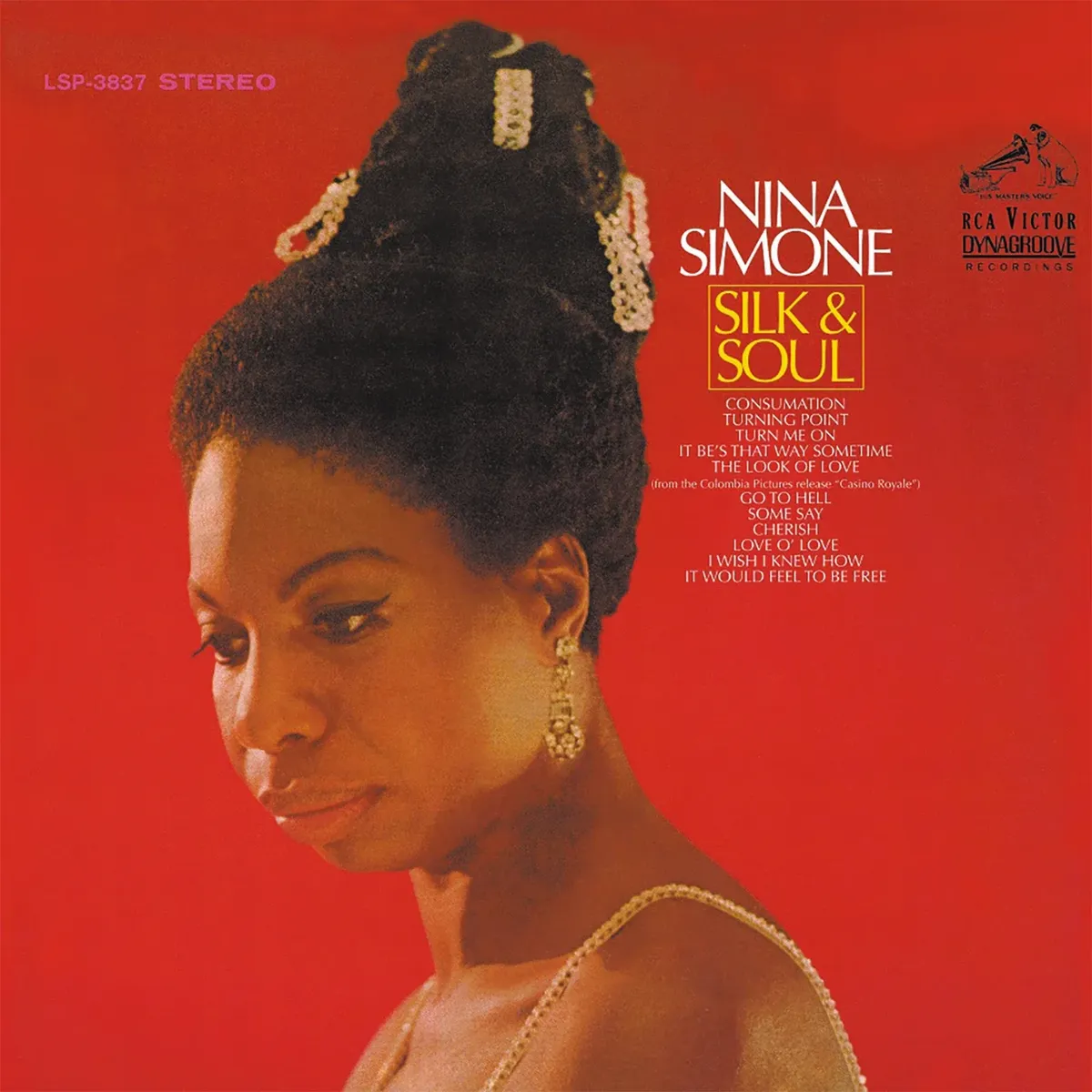
in the air: I Wish I Knew How It Would Feel To Be Free - Nina Simone